Suffering With "Bone On Bone" Grinding In Your Knee—And Terrified You're Losing Control Of Your Own Body?

Harvard Discovered That Friction Between Your Bones Comes From A Vanishing Protective Fluid—And Why A Simple Morning Ritual Is Helping Thousands Restore It Naturally Without Surgery

▶ See How To Stop Knee Pain Naturally

If This Sounds Familiar, You're Not Alone...

You wake up and your body feels locked. It takes minutes just to get your knees moving—and that first step feels like bone scraping on bone.

Going down stairs? You grip the handrail with both hands—not because you're being careful, but because you're terrified your knee will give out without warning.

Simple things you used to do without thinking—getting out of a chair, bending down, even walking to the mailbox—now require planning, hesitation, and fear.

And the worst part? You don't trust your own body anymore. That constant anxiety that your knee could buckle at any moment is stealing more than your mobility—it's stealing your confidence, independence, peace of mind.

You've tried the glucosamine, the pills, the creams. Maybe even the injections. But nothing addresses why that friction keeps getting worse.

▶ See How To Stop The Friction

Do You Recognize These Warning Signs?

If 3 or more sound familiar, your knees are losing the natural cushioning they need—and it's only getting worse:

Sharp "bone on bone" grinding when you stand or move

Stiff knees in the morning or after sitting

Gripping the handrail on stairs—terrified you'll fall

Struggling to get out of chairs without help

Can't kneel or squat anymore

Swelling that comes and goes

Clicking, popping, or crunching sounds in your knee

Your knee giving way without warning

Pain that keeps you awake at night

Avoiding activities you love because of the pain

The Real Reason Your Knees Are Grinding

For years, doctors said the only treatment for pain in knee joint was pills or surgery.

But recent medical findings tell a different story.

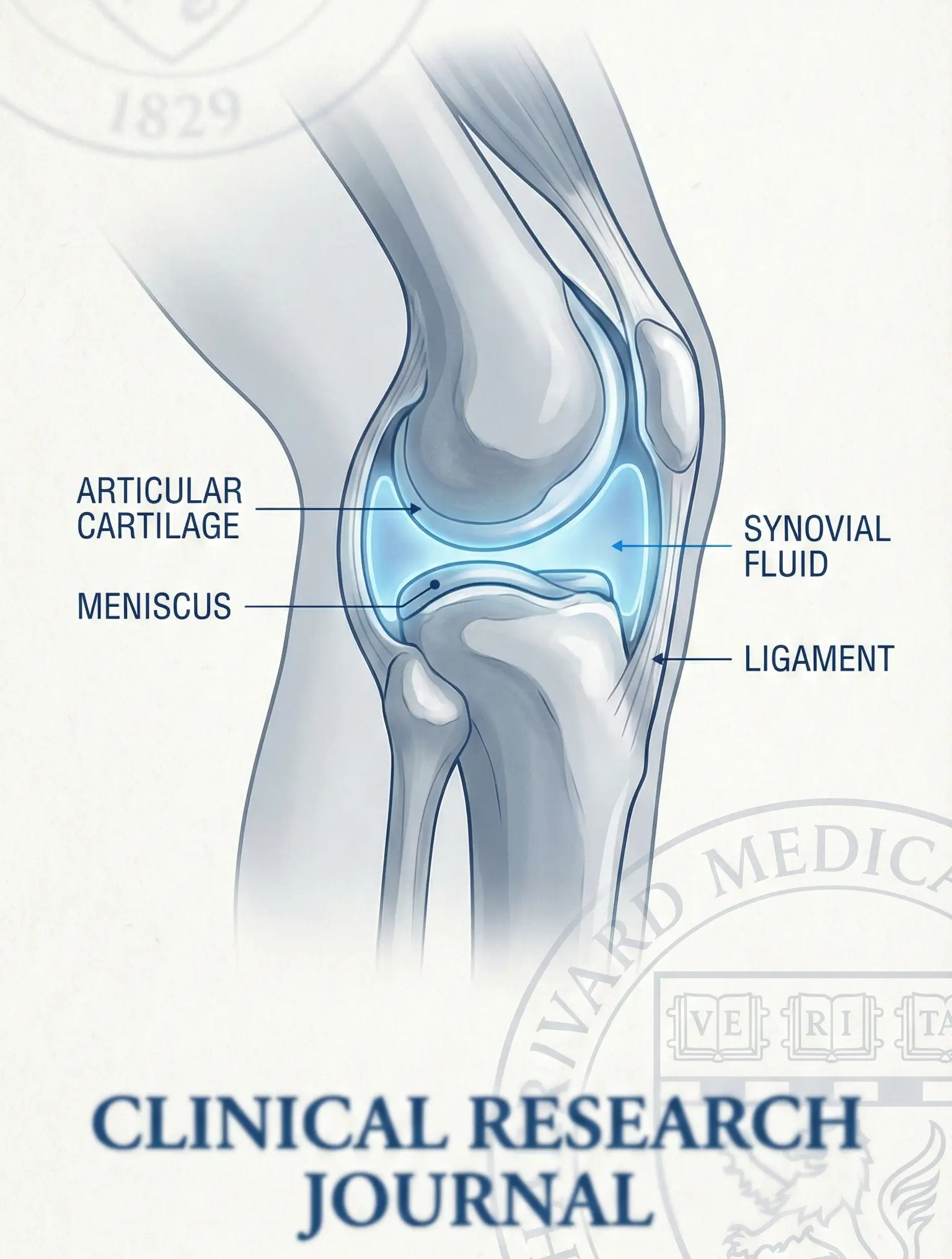
The real cause isn't worn cartilage. It's the progressive loss of what researchers call "Joint Jello" — a thick, cushioning fluid inside your knee. Starting in your 30s, it slowly disappears — leaving your bones exposed and grinding with every step.

It was from this discovery that a simple morning ritual began helping thousands restore this fluid naturally.

▶ Show Me This Morning Ritual

"I Was Disappearing From My Own Life"

Woman who found relief from knee pain

"I kept asking myself the same question every single day: 'Why do my knees hurt like this?'"

Nobody could give me a real answer.

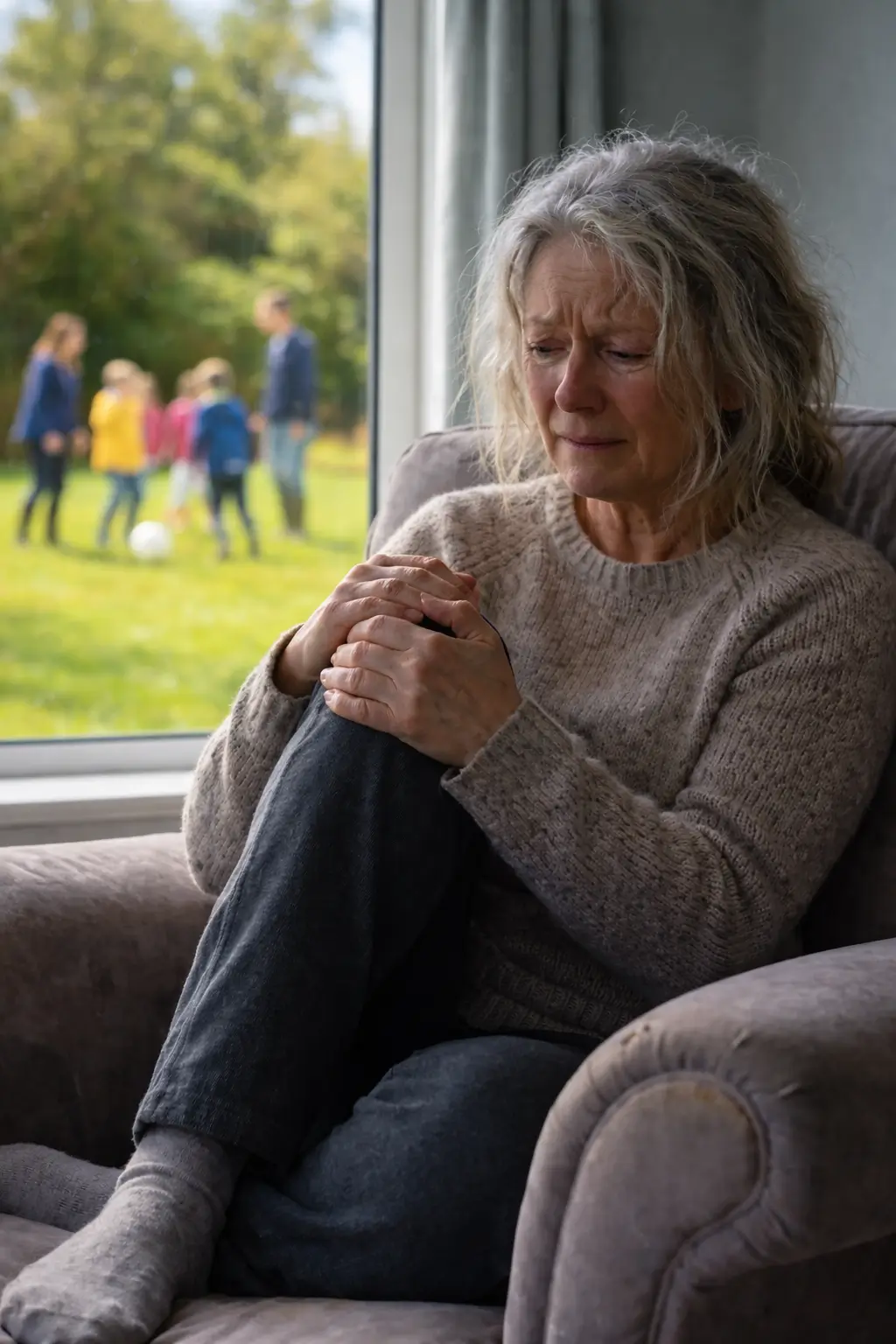
I stopped going to my grandson's soccer games. Stopped gardening. Started turning down invitations because I was terrified—"Am I going to be able to do this? Will people see me struggle?"

"The worst part? The constant fear: 'Will I need surgery? Is this just going to keep getting worse?' I felt like I was disappearing from my own life."

Then I found an explanation of what was really happening—and a simple morning routine that could help.

I was skeptical. But I tried it.

A few weeks in, I noticed I wasn't gripping the handrail as tight. Wasn't wincing when I stood up. The fear started lifting.

Now? I'm at every soccer game. Back in my garden. Living again—not just surviving.

▶ Yes! I Want My Life Back Too

Real People, Real Results

Thousands have found relief once they learned what was really happening—and what they could do about it:

Margaret T.
"I can finally get on the floor with my grandkids"

"Honestly I was at my breaking point. Couldnt kneel down to play with the kids, couldnt even put my socks on without help. It hurt so bad I just cried sometimes. But once I understood what my knees were missing and started that simple routine... I dont know its like my knees woke up again. I can get down on the floor now. Best feeling in the world"

Margaret T., 68, Florida

Robert K.
"My doctor wanted surgery... glad I didn't do it"

"Doc told me Id be in a wheelchair within 2 years if I didnt get the surgery. That scared the hell out of me. But the recovery time the cost everything felt wrong. Then I learned what was actually causing this and tried that morning thing everyone's talking about. Now Im back in my garden doing things I thought Id never do again. Still cant believe it"

Robert K., 72, Texas

Linda M.
"Stairs don't scare me anymore"

"I used to plan my whole day around avoiding stairs. Sound crazy? Thats how bad it was. My body would literally lock up going down and I was terrified. Now I dont even think about it. Just go up and down like I did 20 years ago. My daughter says mom youre back and that makes me cry every time"

Linda M., 65, Arizona

▶ Yes! I Want My Life Back Too

The Research Behind This Discovery

Harvard confirmed what many doctors overlook: chronic knee pain isn't just about worn cartilage—it's about losing the protective fluid that keeps your joints cushioned.

Dr. Mark Wise, a medical research director, explains it simply: "When this fluid disappears, your bones start grinding together. Restore it, and the grinding stops."

Published clinical studies documented the results: patients experienced significant pain reduction, improved mobility, and better joint function.

Research has also shown something important: long-term use of common pain medications carries serious health risks—including increased risk of heart problems and stomach damage.

The goal isn't to mask the pain—it's to restore what's missing.

Clinical research on joint health
▶ I Want To Restore What's Missing

Questions You Might Be Asking Right Now

1. I've tried glucosamine, creams, and pills. Why didn't they work?
Those treatments target cartilage or just mask the pain. They don't address the protective fluid that's disappearing from your knee joint. Without fixing that, nothing provides lasting relief.
2. My doctor says I need surgery. Is it too late for me?
Many people who were told they needed surgery found relief by addressing the fluid loss first. Even in advanced cases, restoring what's missing can make a real difference. The key is acting now.
3. Do I just have to live with this pain?
research on ancient populations proved they stayed active into their 80s and 90s without joint problems. The issue isn't age—it's losing something that wasn't being lost generations ago.
4. Is this safe? Are there side effects?
This is a natural method used daily by thousands worldwide—no injections, no surgery. There are no known side effects, just the freedom to move comfortably again.
5. I'm scared to get my hopes up again. What if this doesn't work for me?
That fear makes sense after trying so many things. But this targets what everything else missed—the fluid loss itself. People who had given up are seeing results. You'll know within weeks if it's working for you.